Date:
Location:
Authore:
Introduction
Traditional Khmer percussion is one of the most powerful elements of Cambodian cultural heritage. It has long been associated with ceremonies, rituals, and communal celebration.
However, for generations, cultural norms limited women’s participation in playing certain large drums.
Historical Context and Cultural Beliefs
In traditional Cambodian society, performing large ceremonial drums was often considered physically demanding and culturally restricted to men. These beliefs were passed down through generations, shaping expectations around gender roles in performing arts.
While women contributed to music and dance in many ways, their access to percussion instruments remained limited in many communities.
Changing Perspectives Through Art
Today, this narrative is slowly changing.
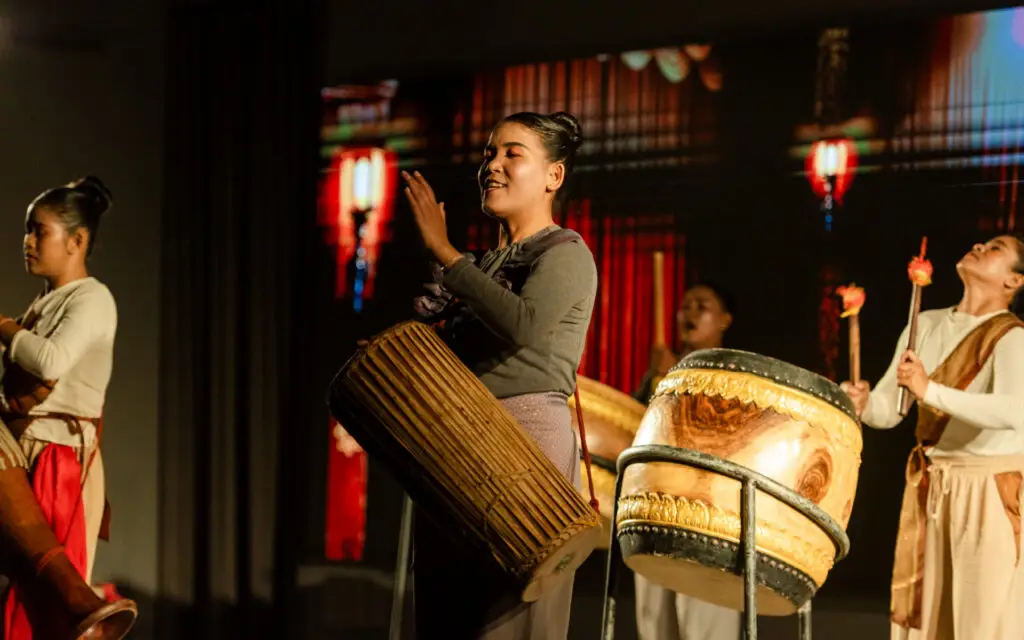
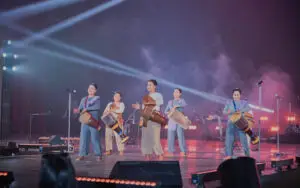
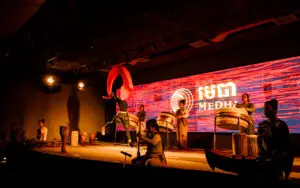
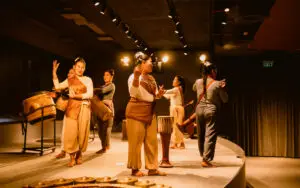
Groups like MeDha are helping reshape cultural understanding by demonstrating that artistic ability is not defined by gender. Through disciplined practice and public performances, they show that women can master traditional Khmer percussion with strength, precision, and emotional depth.
Respecting Tradition While Evolving It
It is important to understand that this shift is not about replacing tradition. It is about expanding it.
MeDha respects the cultural roots of Khmer drumming while creating space for new interpretations that reflect modern Cambodian society.
In doing so, they contribute to a broader conversation about equality, creativity, and cultural evolution.